
PACIFIC SEA NETTLE JELLYFISH
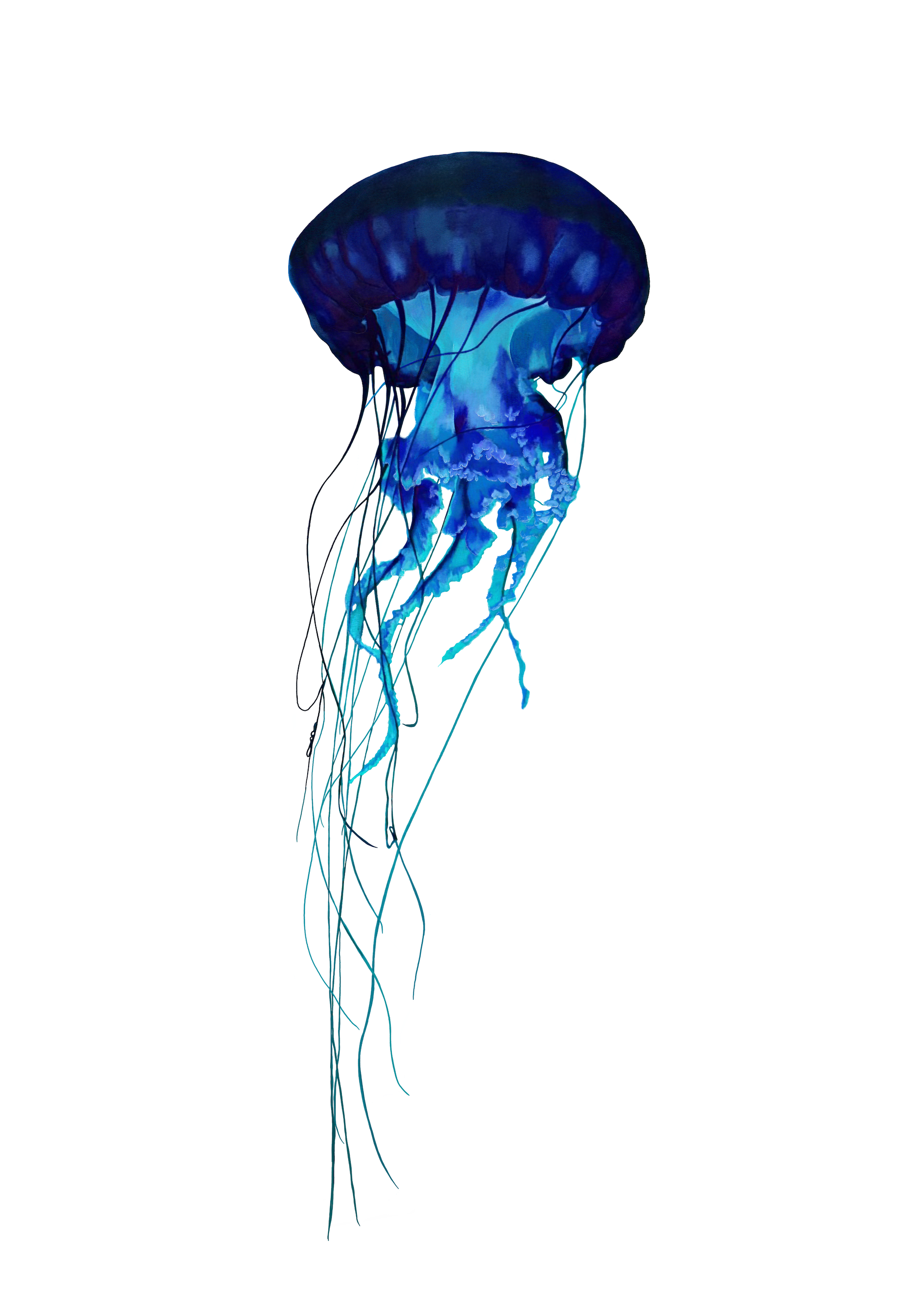
Chrysaora fuscescens
IUCN Conservation Status: Not Evaluated (NE)
Phylum Cnidaria
Genus Chrysaora
Family Pelagiidae
Order Semaeostomeae
Class Scyphozoa
OVERVIEW

The Pacific Sea Nettle, known scientifically as Chrysaora fuscescens, is a striking species of jellyfish found along the Pacific coast. Its distinctive vibrant bell and long, graceful tentacles make it a captivating sight in ocean waters. While its tentacles carry stinging cells for hunting, its sting is harmless to humans.
HABITAT
Pacific sea nettles inhabit open waters of the Pacific Ocean, from Alaska to Japan, extending from California, occasionally reaching Mexico, to Canada. They play a crucial role in Pacific marine ecosystems, serving as a primary food source for marine birds, sea turtles, fish, and even marine mammals. Scientists also speculate that these jellyfish serve as transportation and sustenance for young crabs, with the ability to evade or endure the stinging tentacles.
BREEDING
Pacific sea nettles exhibit the capacity for both sexual and asexual reproduction. In sexual reproduction, females capture drifting sperm, fertilizing their self-produced eggs, contributing to genetic diversity. Asexual reproduction transpires during the polyp stage, characterized by budding or cloning, yielding genetically identical offspring that are subsequently released into the ocean.
SIZE
The bell grows to a maximum of around 75cm in diameter, while the trailing arms can reach 3.5-4.5m in length!
DIET
As carnivorous creatures, Pacific sea nettles feed on easily accessible prey, including zooplankton, larval fishes, crustaceans, eggs, and occasionally other jellyfish. Since their diet primarily consists of plankton and larvae, these jellyfish exhibit a fascinating behavior of tracking their prey's movements in the water column based on light variations. Some individuals can navigate more than 1 kilometre daily, using a unique mechanism involving contracting their bell and expelling water, enabling them to overcome water currents.
POPULATION STATUS
In the past, robust populations of larger marine species helped maintain control over jellyfish numbers. Regrettably, there has been a global surge in jellyfish populations, including Pacific sea nettles, indicating an ecological imbalance likely caused by human activities.
SHOP THE COLLECTION
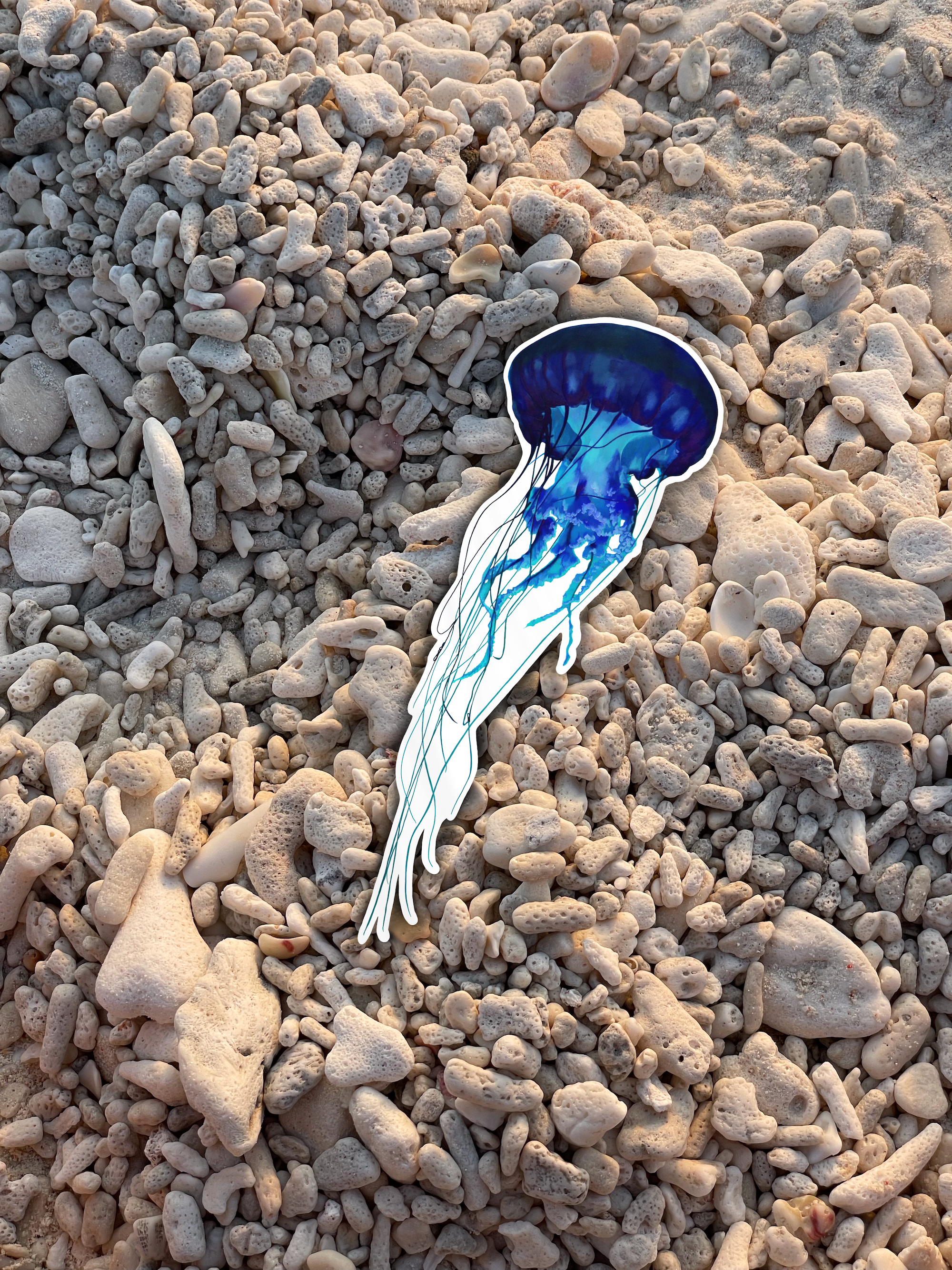
🪸Celebrating World Jellyfish Day! 🪸
The Pacific Sea Nettle (Chrysaora fuscescens) has a translucent bell and long, flowing tentacles make it a stunning sight as it drifts through the waters of the Pacific Ocean.
These jellyfish have long, trailing tentacles armed with stinging cells, which they use for both hunting and defense. In order to protect themselves from potential dangers in their natural habitat, such as sea turtles, Pacific Sea Nettles deliver stinging responses immediately upon contact with their tentacles. Although their venom isn't lethal to humans, it can induce sensations of tingling and discomfort similar to the effects of a bee sting.
Their diet consists of zooplankton, larval fishes, crustaceans, eggs, and sometimes other jellies, and they can be found in groups known as "smacks" or "blooms." Incredible, some of these creatures have tentacles that can grow up to 6 meters long? That's the size of a standard shipping container.
This bookmark is printed on fine art, museum-quality paper.
Printed locally by a family business on the Sunshine Coast in Queensland, Australia.
Bookmark size: 14.5x5cm
🐠 5% of this sale will be donated to the Great Barrier Reef Foundation.
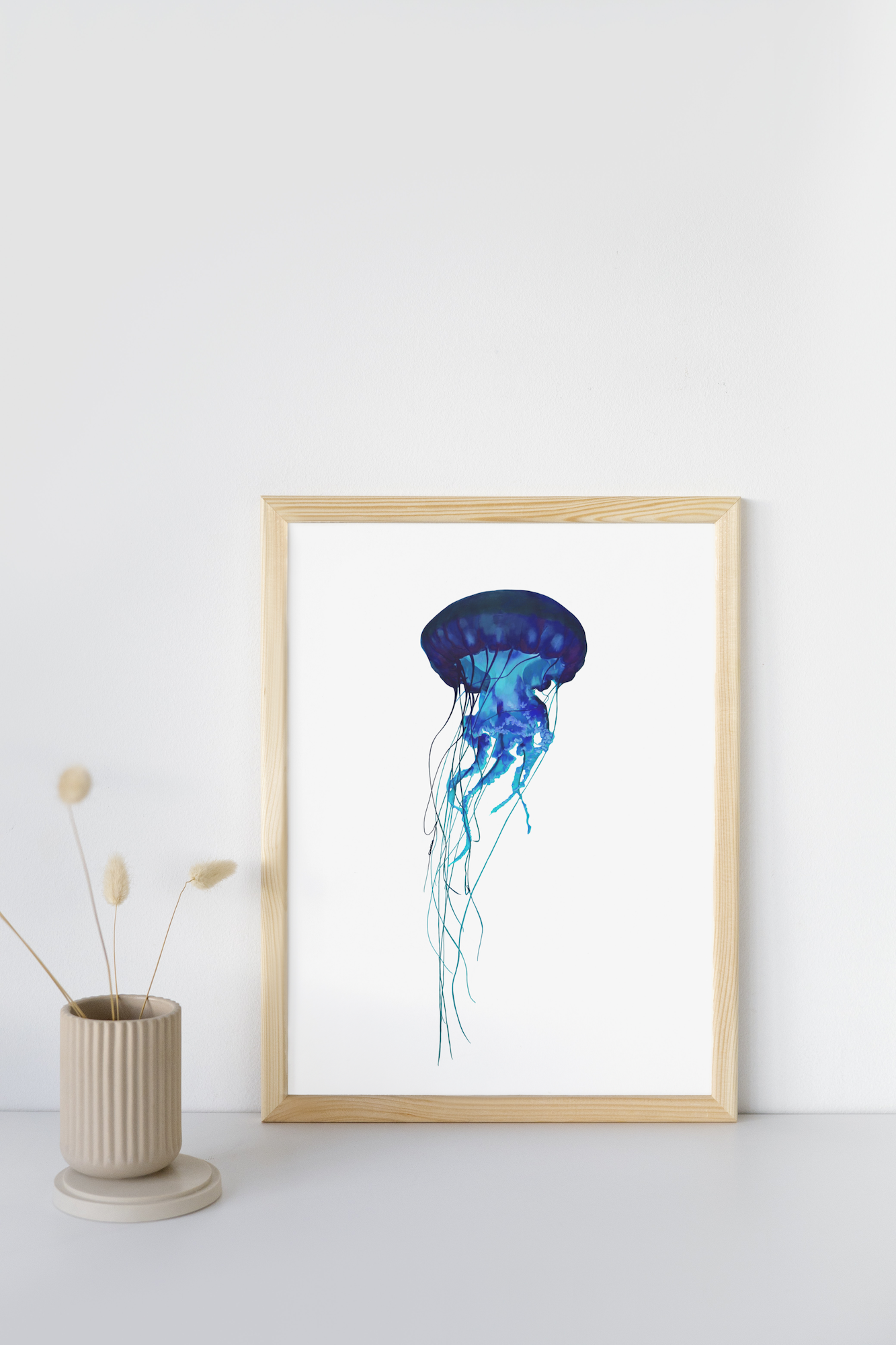
🪸Celebrating World Jellyfish Day! 🪸
The Pacific Sea Nettle (Chrysaora fuscescens) has a translucent bell and long, flowing tentacles make it a stunning sight as it drifts through the waters of the Pacific Ocean.
These jellyfish have long, trailing tentacles armed with stinging cells, which they use for both hunting and defense. In order to protect themselves from potential dangers in their natural habitat, such as sea turtles, Pacific Sea Nettles deliver stinging responses immediately upon contact with their tentacles. Although their venom isn't lethal to humans, it can induce sensations of tingling and discomfort similar to the effects of a bee sting.
Their diet consists of zooplankton, larval fishes, crustaceans, eggs, and sometimes other jellies, and they can be found in groups known as "smacks" or "blooms." Incredible, some of these creatures have tentacles that can grow up to 6 meters long? That's the size of a standard shipping container.
This art piece is printed on fine art, museum-quality paper.
Printed locally by a small family business on the Sunshine Coast in Queensland, Australia.
Available in A4 and A5 sizes.
🐠 5% of this sale will be donated to the Great Barrier Reef Foundation.
REFERENCES
National Marine Sanctuary Foundation, Creature Feature: Pacific Sea Nettle. Retrieved 3/11/2023